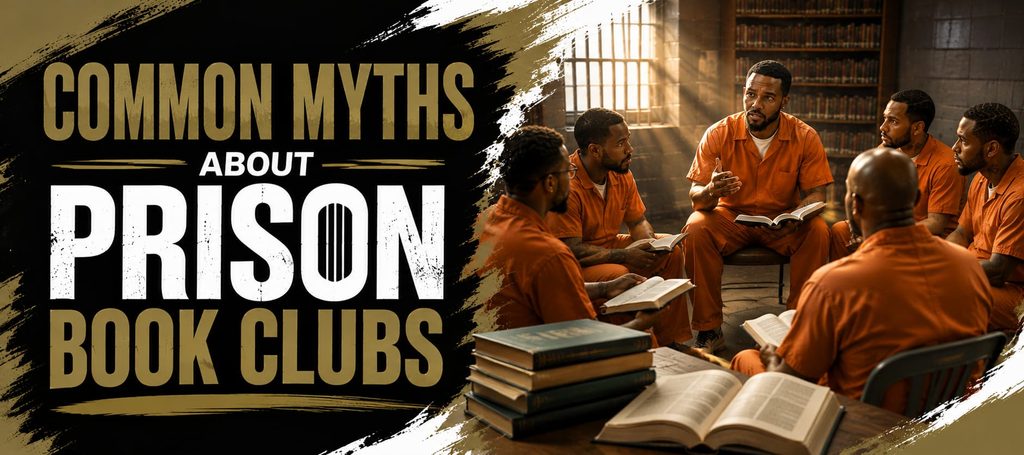
Prison Book Clubs are becoming an important part of correctional education, but many misconceptions still surround these programs. Some people believe they are simply recreational activities, while others question whether they provide any real value to incarcerated individuals.
In reality, these clubs are structured educational programs that encourage literacy, communication, critical thinking, and personal development. They complement other rehabilitation efforts by creating opportunities for meaningful learning and discussion.
In this article, we’ll separate fact from fiction by exploring some of the most common myths about Prison Book Clubs.
Myth 1: Prison Book Clubs Are Only About Reading
One of the biggest misconceptions is that Prison Clubs are simply groups where people read books together.
While reading is an important part of the program, discussions are what make these clubs unique. Participants analyze ideas, explore different perspectives, ask questions, and connect lessons from books to real-life experiences.
The goal is to create an active learning environment rather than simply finish a book.
Myth 2: They Don’t Support Rehabilitation
Some people assume Prison Book Clubs have little connection to rehabilitation.
In reality, these programs support broader educational goals by encouraging literacy, communication, emotional awareness, and critical thinking. While they are not a standalone rehabilitation program, they complement education, vocational training, counseling, and other services offered within correctional facilities.
Myth 3: Only Strong Readers Can Participate
Many believe Book Clubs are only for people who already enjoy reading or have advanced literacy skills. In practice, many correctional facilities select books that match different reading levels. Some programs also provide guidance and encouragement to help participants build confidence as readers.
The focus is on learning and improvement rather than reading ability.
Myth 4: Prison Book Clubs Are a Waste of Time
Another common myth is that these programs provide little educational value.
Reading and discussion help participants strengthen vocabulary, improve communication, develop critical thinking skills, and engage in productive activities. These benefits make Prison Book Clubs a valuable part of correctional education.
Myth 5: They Only Read Fiction
Although novels are common choices, Prison Book Clubs include many different types of books. Popular categories include:
- Biographies
- History
- Psychology
- Philosophy
- Self-improvement
- Business
- Educational nonfiction
- Inspirational books
This variety allows participants to explore new subjects and interests.
Myth 6: Discussions Have No Real Purpose
Some assume discussions are informal conversations without educational value. In reality, discussions encourage participants to:
- Analyze ideas
- Share perspectives
- Practice communication
- Listen respectfully
- Develop critical thinking
- Reflect on personal experiences
These conversations are one of the most valuable parts of Prison Book Clubs.
Myth 7: Reading Alone Is Enough
Independent reading offers many benefits, but group discussion creates additional learning opportunities. Prison Clubs help participants deepen their understanding by hearing different viewpoints, asking questions, and connecting ideas to real-life situations.
Reading becomes a shared educational experience instead of a solitary activity.
Myth 8: Prison Book Clubs Replace Other Educational Programs
These clubs are designed to complement, not replace, other correctional education programs. They work alongside:
- GED classes
- Vocational training
- Prison libraries
- Educational workshops
- Life skills programs
Together, these resources create stronger educational opportunities for participants.
Why Misconceptions Matter
Misunderstandings can prevent people from recognizing the educational value of Prison Book Clubs. When people understand how these programs actually work, they are more likely to appreciate their role in promoting literacy, communication, and lifelong learning within correctional facilities.
Accurate information also helps families, volunteers, educators, and community organizations better support reading initiatives.
How Prison Book Clubs Supports This Mission
At Prison Book Clubs, we believe education begins with access to meaningful reading experiences.
Our mission is to encourage literacy, thoughtful discussion, and personal growth through shared reading. By creating opportunities for learning and conversation, Book Clubs helps incarcerated individuals develop knowledge, confidence, and practical skills that support rehabilitation.
Every book and every discussion contributes to a stronger educational experience.
Frequently Asked Questions
Are Prison Book Clubs only for experienced readers?
No. Many programs welcome participants with different reading abilities and choose books that are appropriate for a variety of literacy levels.
Do Prison Book Clubs focus only on fiction?
No. Many clubs also read biographies, history, psychology, philosophy, business, and other educational nonfiction.
Do Prison Book Clubs replace prison libraries?
No. Prison libraries provide access to books, while Prison Book Clubs focus on structured reading and group discussion.
Why are Prison Book Clubs important?
They encourage literacy, communication, critical thinking, and personal growth while supporting correctional education and rehabilitation.
Contact Us
If you have any other questions or queries related to our services, feel free to contact us at:
- Email: info@prisonbookclubs.com
- Website: prisonbookclubs.com
We’re here to serve you.
Final Thoughts
Many misconceptions about Prison Book Clubs come from not understanding how these programs actually work. Far from being simple reading groups, they create structured opportunities for education, discussion, and personal development.
By encouraging literacy, communication, and lifelong learning, Prison Book Clubs help participants gain knowledge, build confidence, and develop skills that support rehabilitation. As more correctional facilities recognize the value of education, these programs continue to demonstrate how books can inspire meaningful change behind bars.