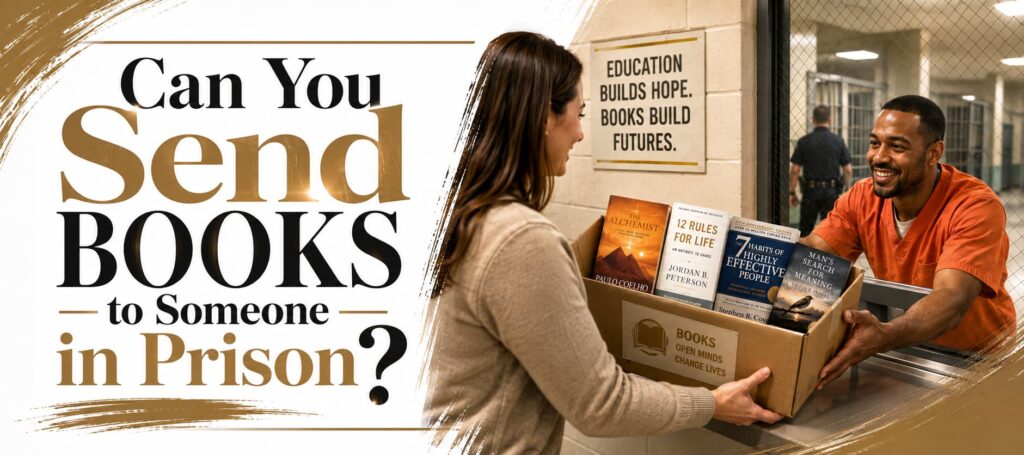
Books can provide education, encouragement, and a productive way to spend time during incarceration. Many family members and friends want to send books to a loved one in prison, but correctional facilities have specific rules that must be followed before any package is accepted.
The good news is that, in many cases, you can send books to someone in prison. However, each correctional facility has its own policies regarding where books can come from, what types of books are allowed, and how they should be shipped.
This guide by Prison Book Clubs explains how to send books successfully, common prison mailing requirements, and what you should know before placing an order.
Can You Send Books to an Inmate?
Yes, many correctional facilities allow people to send books to incarcerated individuals. However, prisons usually have strict mailing rules designed to maintain safety and security. These policies determine which books are permitted, who can ship them, and how deliveries are processed.
Before you send books, always review the mailing policies of the specific correctional facility.
Why Do Prisons Have Rules for Sending Books?
Correctional facilities inspect all incoming mail and packages to help maintain a safe environment. Rules regarding how people send books are designed to:
- Prevent prohibited items from entering the facility
- Simplify package inspections
- Ensure books come from approved sources
- Protect staff and incarcerated individuals
- Maintain consistent mailing procedures
Although these requirements may seem strict, they help correctional facilities safely provide access to reading materials.
Common Rules When You Send Books
While policies vary by institution, many correctional facilities follow similar guidelines.
Purchase From an Approved Retailer
Many prisons only accept books shipped directly from:
- Publishers
- Bookstores
- Approved online retailers
- Authorized prison book suppliers
Books mailed from a personal address may be rejected.
Check Book Format
Many facilities only allow paperback books. Hardcover books may be restricted because of institutional security policies.
Always verify the facility’s requirements before you send books.
Confirm the Recipient’s Information
Incorrect mailing information is one of the most common reasons deliveries fail.
Include:
- Full legal name
- Inmate identification number
- Facility name
- Complete mailing address
Double-check all details before placing an order.
Choose Approved Reading Material
Most correctional facilities review books before they are delivered.
Books containing prohibited material may not be accepted. Facility policies determine which titles are approved.
Best Types of Books to Send
When you send books, choosing educational and inspiring titles is often the best option.
Popular choices include:
- Self-improvement books
- Fiction
- History
- Biographies
- Business books
- Educational nonfiction
- Religious books
- Psychology
- Philosophy
- Career development books
These books can encourage learning, personal growth, and meaningful reading experiences.
Why Books Matter During Incarceration
Reading offers more than entertainment. Books help incarcerated individuals:
- Improve literacy
- Learn new skills
- Build confidence
- Reduce boredom
- Explore new ideas
- Prepare for future education
- Develop lifelong reading habits
Many participants also use books in educational programs and Prison Book Clubs to strengthen communication and critical thinking.
Common Reasons Books Are Rejected
Even when you send books with good intentions, they may still be returned.
Common reasons include:
- Books shipped from an unapproved source
- Incorrect inmate information
- Hardcover editions not allowed
- Prohibited content
- Quantity limits exceeded
- Facility policy changes
Reviewing prison mailing rules beforehand helps reduce these problems.
Tips Before You Send Books
Following a few simple steps can improve the chances of successful delivery.
Review Facility Policies
Mailing rules vary by correctional facility.
Always review current guidelines before ordering.
Buy From Trusted Sellers
Purchasing from approved bookstores or publishers helps ensure compliance with institutional policies.
Save Tracking Information
Keep your order confirmation and shipping information until delivery has been completed.
Choose Meaningful Titles
Books that educate, inspire, or encourage personal development often provide lasting value for readers.
How Prison Book Clubs Supports Reading
At Prison Book Clubs, we believe books have the power to educate, inspire, and encourage personal growth.
Our mission is to promote meaningful reading opportunities for incarcerated individuals by supporting literacy, lifelong learning, and educational development. Whether you’re looking to send books to a loved one or learn more about correctional reading programs, understanding mailing guidelines helps ensure books reach the people who need them.
Every book shared is another opportunity to encourage learning and positive change.
Frequently Asked Questions
Can family members send books directly?
Many correctional facilities require books to be shipped directly from approved retailers rather than from personal addresses. Always check the institution’s policies.
Can I send used books?
Some facilities accept used books, while others only allow new books from approved sellers. Requirements vary by institution.
Are hardcover books allowed?
Some prisons restrict hardcover books for security reasons. Paperback editions are often the preferred choice.
Can I send any type of book?
No. Correctional facilities may prohibit books that violate institutional policies. Always review the approved reading guidelines before ordering.
Contact Us
If you have any other questions or queries related to our services, feel free to contact us at:
- Email: info@prisonbookclubs.com
- Website: prisonbookclubs.com
We’re here to serve you.
Final Thoughts
In many cases, you can send books to someone in prison, but following the correct procedures is essential. Every correctional facility has its own mailing requirements, and understanding those rules helps improve the chances of successful delivery.
When you send books that encourage education, personal growth, and lifelong learning, you provide more than reading material, you offer an opportunity to learn, reflect, and stay engaged. By purchasing from approved sources and following institutional guidelines, you can help ensure your gift reaches its intended recipient and makes a meaningful difference.